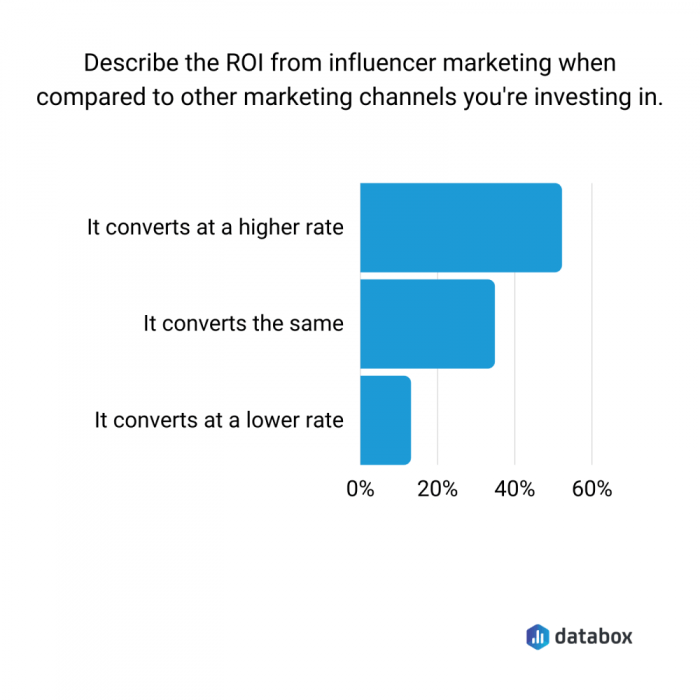
With Influencer Marketing ROI at the forefront, this paragraph opens a window to an amazing start and intrigue, inviting readers to embark on a storytelling casual formal language style filled with unexpected twists and insights.
Influencer marketing has revolutionized the way brands connect with their audience, but what truly sets it apart is the ability to measure the return on investment. Understanding how to effectively leverage influencers can make a significant impact on brand success.
Influencer Marketing ROI

Influencer Marketing ROI refers to the return on investment generated from influencer marketing campaigns. It is crucial for businesses to measure the effectiveness of their influencer collaborations to determine the success of their marketing efforts.
Methods to Measure ROI in Influencer Marketing
- Trackable Links: Using unique URLs or promo codes provided by influencers to track the traffic and conversions generated from their posts.
- Affiliate Marketing: Implementing affiliate programs where influencers earn commissions based on the sales they drive through their unique referral links.
- Social Media Metrics: Analyzing engagement metrics such as likes, comments, shares, and clicks to evaluate the performance of influencer content.
- Sales and Revenue Growth: Monitoring the increase in sales and revenue directly attributed to influencer campaigns.
Importance of Tracking and Analyzing ROI for Influencer Campaigns
Tracking and analyzing ROI for influencer campaigns is essential for several reasons:
- Optimizing Campaign Performance: By analyzing ROI, businesses can identify which influencers, content types, or platforms are delivering the best results and optimize future campaigns accordingly.
- Allocating Budget Effectively: Understanding the ROI helps businesses allocate their marketing budget more effectively by investing in influencers and strategies that deliver a higher return.
- Evaluating Influencer Partnerships: Tracking ROI allows businesses to assess the effectiveness of influencer partnerships and decide whether to continue collaborating with specific influencers.
- Demonstrating Value: Measuring ROI demonstrates the value of influencer marketing to stakeholders and helps justify the investment in influencer collaborations.
Benefits of Influencer Marketing
Influencer marketing offers numerous advantages for brands looking to enhance their online presence and reach a wider audience. By collaborating with influencers, brands can leverage their credibility and reach to achieve various marketing goals.
Increased Brand Awareness
- Through influencer partnerships, brands can tap into the existing follower base of influencers, exposing their products or services to a larger audience.
- Influencers can create authentic and engaging content that resonates with their followers, leading to increased brand visibility and recognition.
- Collaborating with influencers from different niches or industries can help brands reach diverse target audiences, expanding their brand awareness.
Drive Engagement and Conversions
- Engaging influencer content can spark conversations and interactions among followers, leading to increased engagement rates for brands.
- Influencers can endorse products or services in a relatable and genuine way, making their recommendations more trustworthy and driving conversions.
- By incorporating call-to-action elements in influencer marketing campaigns, brands can encourage followers to take desired actions, such as making a purchase or signing up for a service.
Types of Influencer Collaborations
Influencer collaborations come in various forms, each with its own unique benefits and impact on ROI. By understanding the different types of collaborations, brands can tailor their influencer marketing strategies to achieve the best results.
Sponsored Posts
Sponsored posts involve influencers creating content that promotes a brand or product in exchange for payment. These posts can be in the form of images, videos, or captions on social media platforms. Sponsored posts are effective in reaching a larger audience and driving immediate sales, making them a popular choice for brands looking to increase their ROI.
Product Reviews
Product reviews involve influencers sharing their honest opinions about a brand’s products or services. This type of collaboration helps build credibility and trust with the audience, leading to higher conversion rates and long-term customer loyalty. Product reviews are valuable for increasing brand awareness and driving organic traffic, ultimately contributing to a positive ROI.
Takeovers
Takeovers occur when an influencer temporarily controls a brand’s social media account to create and share content with their own unique style and voice. This type of collaboration allows brands to leverage the influencer’s creativity and engage with their followers in a more authentic way. Takeovers can generate buzz, increase followers, and drive traffic to the brand’s website, resulting in a boost in ROI.Examples of Successful Influencer Collaborations:
- Fashion brand Zara collaborated with popular fashion influencers to create sponsored posts showcasing their latest collection, leading to a significant increase in online sales and brand visibility.
- Beauty brand Glossier utilized product reviews from beauty influencers to promote their skincare products, resulting in a surge in sales and positive customer feedback.
- Starbucks partnered with lifestyle influencers for a social media takeover, driving excitement and engagement among their target audience and boosting foot traffic to their stores.
These successful examples demonstrate the power of different types of influencer collaborations in enhancing brand awareness, increasing customer engagement, and ultimately improving ROI.
Digital Marketing
Digital marketing encompasses all online strategies and tactics used to promote products or services, interact with customers, and ultimately drive sales. In today’s business landscape, digital marketing is essential for reaching a wide audience and staying competitive in the market.
Influencer Marketing in Digital Marketing
When we talk about digital marketing strategies, influencer marketing stands out as a powerful tool for brands to connect with their target audience in a more authentic and engaging way. Influencer marketing involves collaborating with individuals who have a strong online presence and a loyal following to promote products or services.
Influencer marketing leverages the credibility and influence of these individuals to reach a larger audience and generate interest and sales for a brand.
- Increased Reach: By partnering with influencers, brands can tap into their existing follower base, expanding their reach and visibility in the digital space.
- Authenticity and Trust: Influencers help build trust with their audience by creating authentic content that resonates with their followers, leading to higher engagement and conversions.
- Diversified Content: Collaborating with influencers allows brands to diversify their content strategy and reach different demographics through the influencer’s unique style and voice.
In conclusion, Influencer Marketing ROI is not just about numbers; it’s about building meaningful connections and driving real results. By focusing on ROI, brands can ensure that their influencer campaigns are not only successful but also sustainable in the long run.
Helpful Answers
How can I measure ROI in influencer marketing?
To measure ROI in influencer marketing, you can track key performance indicators such as engagement rates, website traffic, and conversions generated through influencer campaigns.
What are the key benefits of influencer marketing for brands?
Influencer marketing can help brands increase brand awareness, reach new audiences, build credibility, and drive conversions in a more authentic way.
What types of influencer collaborations are most effective in terms of ROI?
Sponsored posts and product reviews tend to be highly effective in terms of ROI as they directly showcase the brand or product, leading to more tangible results.


